
Replace your windows before winter if you notice drafts, condensation between panes, difficulty opening or closing, rising energy bills, visible rot or warping, outside noise bleeding in, or single-pane glass. Addressing these signs now, before cold weather arrives, protects your home’s comfort, energy efficiency, and structural integrity through the Maryland winter.
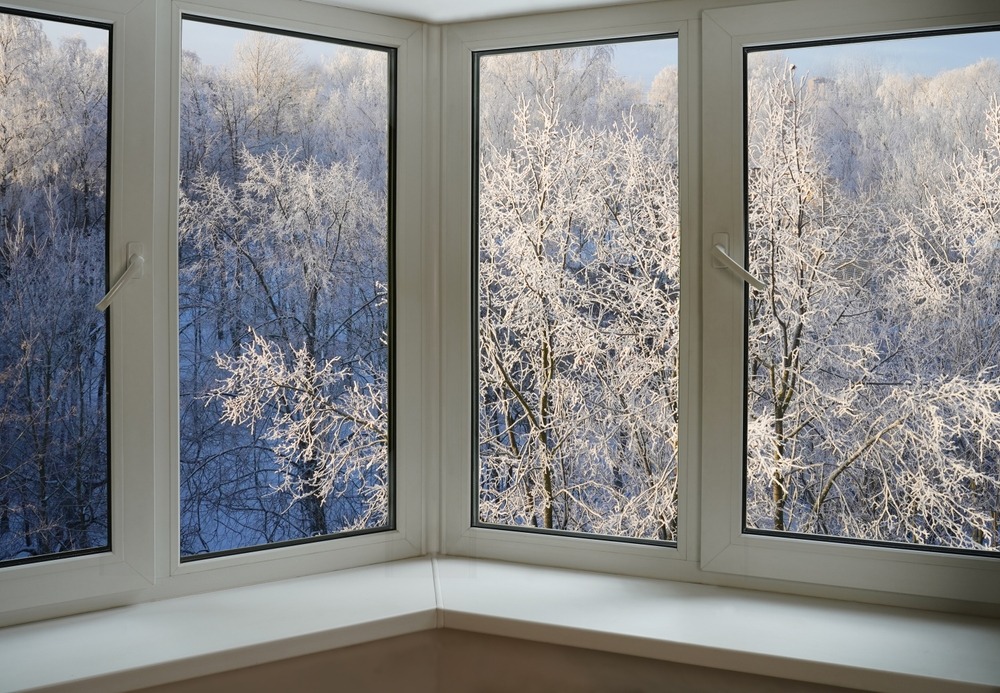
Maryland winters don’t announce themselves gently. One week you’re raking leaves in a light jacket, and the next, a cold front rolls through Carroll County and your heating bill jumps overnight. If your windows aren’t up to the task, that cold front finds every gap, crack, and worn seal in your home’s envelope. By the time you notice the draft by your reading chair, you’re already paying for it.
Windows are one of the most overlooked parts of a home’s defense against winter weather. Homeowners will replace a roof or resurface a driveway without a second thought, yet windows often get patched with weatherstripping and hope. The problem is that aging windows don’t just let in cold air. They let out the heated air you’re paying for, and they put added strain on your HVAC system during the months it works hardest.
Below are seven signs that it’s time to stop patching and start planning a window replacement, along with what each one means for your home’s comfort and efficiency this winter.
1. You Can Feel a Draft Near Closed Windows
Stand near a closed window on a breezy day. If you feel moving air, your window’s seal has failed. Drafts typically develop as the weatherstripping, caulking, or frame itself deteriorates over time, creating small gaps that cold air exploits. A single drafty window might seem minor, but multiply that across six or eight windows in a home and the cumulative heat loss becomes significant.
2. Condensation Forms Between the Panes of Glass
Fogging or moisture trapped between double-pane glass is a clear sign the seal holding the insulating gas layer has broken down. Once that seal fails, the window loses its insulating properties entirely, no matter how new the frame looks from the outside. This type of damage can’t be repaired. The insulated glass unit, and often the whole window, needs replacement.
3. Windows Are Difficult to Open, Close, or Lock
Windows that stick, require extra force, or won’t latch securely usually indicate a warped frame or settled foundation issue affecting the window opening. Beyond the daily annoyance, a window that doesn’t seal tightly when closed is a window that’s already letting heated air escape. A proper fit matters just as much as the glass itself.
4. Your Energy Bills Are Climbing Without an Obvious Cause
If your heating costs have crept upward year over year despite no change in usage habits, aging windows are a common culprit. Heat loss through inefficient windows forces your furnace or heat pump to run longer and more often, which shows up directly on your utility bill. Upgrading to energy-efficient windows is one of the more cost-effective ways to reduce that strain before another Maryland winter sets in.
5. You Notice Soft Spots, Rot, or Visible Warping in the Frame
Wood-framed windows are especially vulnerable to moisture intrusion over time. Soft or discolored wood, peeling paint around the frame, or visible warping are signs that water has already compromised the structure. Left unaddressed, this kind of damage can spread to the surrounding wall framing, turning a window project into a much larger repair. Catching it before winter prevents freeze-thaw cycles from making the damage worse.
6. Outside Noise Seems Louder Than It Used To
A noticeable increase in street noise, neighborhood sounds, or wind whistling through the frame often points to failing seals or outdated glass that no longer insulates against sound the way it once did. Modern energy-efficient windows are built with tighter seals and often multi-pane glass, which improves both thermal performance and noise reduction at the same time.
7. Your Home Still Has Original Single-Pane Windows
If your home still has its original single-pane windows, winter is costing you more than it needs to. Single-pane glass offers minimal insulation compared to today’s double- or triple-pane, energy-efficient options. Replacing them is one of the clearest upgrades a homeowner can make, both for comfort during the colder months and for long-term value if you ever sell the home.
Why Fall Is the Right Time to Replace Windows in Maryland
Scheduling window replacement before winter, rather than during it, gives installers more favorable working conditions and gives your home the full benefit of improved insulation right when you need it most. Waiting until temperatures drop can mean longer lead times, tighter installer schedules, and a home that stays drafty through the coldest stretch of the season. Acting in the fall means your upgraded windows are doing their job from the first cold snap onward, not partway through winter.
Window replacement also pairs naturally with other seasonal home improvements. Homeowners addressing drafty windows often take the opportunity to evaluate adjacent projects, from kitchen and bathroom updates to broader home remodeling work, since contractors already on-site can assess related areas of the home at the same time.
Work With a Local Team That Understands Maryland Homes
KCCS Construction has served Carroll County and the surrounding Maryland area since 2005, built on the same family values it started with. As a locally owned contractor, KCCS Construction understands the specific demands Maryland winters place on a home, from humidity swings in the fall to sustained cold through January and February. That local knowledge shapes every recommendation, whether the project is a full remodel or a targeted window upgrade.
KCCS Construction works with trusted, established brands to ensure every installation holds up over time, backed by the same commitment to quality materials and fair pricing the company applies across its awnings, decks, kitchens, bathrooms, and basement remodeling projects. Every project follows the same four-step process: consultation, planning, construction, and completion, so homeowners know exactly what to expect from the first conversation to the final walkthrough.
Don’t Wait for the First Cold Snap to Take Action
If any of these seven signs sound familiar, your windows are telling you something. Drafts, condensation, rising bills, and single-pane glass don’t resolve themselves, and waiting until the middle of winter only means living with the discomfort longer and paying more to heat a home that can’t hold its warmth.
Request a free estimate from KCCS Construction today, and get a clear, no-pressure assessment of what your home needs before winter arrives.